The Complete Guide For Parents To Maintain Kids’ Healthy Teeth
As a parent, you want your child to have a bright and healthy smile amid conflicting online advice and questions about slightly yellow permanent teeth. Are they normal? How to achieve healthier gums and teeth if they are normal?
Then brushing routines that look more like a battle, and oral hygiene habit formation, feel overwhelming. Keeping your child’s teeth healthy doesn’t have to be stressful.
This guide gives you practical answers for every age:
- Are yellow teeth healthy?
- How to check gum health?
- How to prevent cavities?
- How to keep teeth healthy forever?
Visit Next Level Pediatric Dentistry in Tarrytown, NY, for expert oral care advice and a personalized preventive care and treatment plan for your child. Our dental care plans will even help the pickiest eaters and most reluctant brushers.
Basics: Healthy vs Unhealthy Teeth
The first and foremost step is knowing the difference between kids’ healthy teeth and unhealthy ones as a parent to make informed decisions about dental checkups, appropriate treatment options, and at-home oral care routines.
You will notice the following signs if your child’s teeth are perfectly healthy:
- Smooth, intact surfaces without chips or cracks
- Even color across each tooth (white, cream, or slightly yellow)
- Perfect bite alignment
- No sensitivity to hot, cold, or sweet foods
- Fresh breath
However, you need to get in touch with a specialised pediatric dentist in Tarrytown or nearby if you notice any of the following red flags:
- White or brown spots signal early decay
- Chalky white areas showing minerals are leaching from the enamel.
- Brown or black spots mean active cavities
- Severe toothache when chewing or eating
- Sudden sharp pain when kids consume hot and cold foods and drinks (sensitivity)
Visit Next Level Pediatric Dentistry if you notice any concerning signs and symptoms. We offer same-day emergency appointments for Tarrytown families and early intervention to prevent the dental condition from worsening.
Age Group-Wise Dental Health Comparison
Kids’ healthy teeth depend on age‑based dental care. Babies need early gum care, children focus on cavity prevention, teens require orthodontic support, and adolescents benefit from sealants and oral hygiene habits. Tailored pediatric dentistry ensures healthy smiles at every stage, preventing decay and building lifelong oral health routines.
1. Infants (0–1 Years)
For infants, see the comparison below to clearly analyze normal eruption patterns and gum health.
| Parameter | Healthy | Unhealthy |
|---|---|---|
| Teeth Surface | Smooth, clean, no spots | White/brown spots, rough enamel |
| Gums | Pink, firm, slight teething tenderness | Red, swollen, inflamed |
| Sensitivity | Feeds comfortably | Crying, fussiness with hot/cold feeds |
| Teeth Eruption | On schedule (~6 months) | Delayed eruption, early decay |
| Breath | Neutral | Persistent bad breath |
| Teeth Spacing | Natural gaps | Overcrowding, unusual spacing |
| Eating & Speech | Comfortable feeding | Refusal, discomfort affecting early speech |
2. Toddlers (1–3 Years)
Comparison to spot early dental issues and monitor the development of teeth in
toddlers
below.
| Parameter | Healthy | Unhealthy |
|---|---|---|
| Teeth Surface | Smooth, minimal staining | Dark spots, early cavities, pits |
| Gums | Pink, firm | Red, swollen, bleeding |
| Sensitivity | None | Pain while eating |
| Oral Habits | Brushing twice daily, a small fluoride smear | Irregular brushing, swallowing toothpaste |
| Teeth Eruption | All primary teeth are emerging | Missing teeth due to decay |
| Eating & Speech | Comfortable chewing, clear sounds | Avoiding foods, speech changes |
Child Dental Care (3–6 Years)
Signs to monitor for kids’ healthy teeth development and early warning of problems for children in this age group.
| Parameter | Healthy | Unhealthy |
|---|---|---|
| Teeth Surface | Smooth, clean | Cavities, dark spots, early decay |
| Gums | Pink, firm | Red, swollen, bleeding |
| Sensitivity | None | Sensitive to hot, cold, and sweets |
| Oral Habits | Pea-sized fluoride, learning to brush | Poor technique, skipped flossing |
| Teeth Alignment | Normal spacing | Crowding, bite irregularities |
| Eating & Speech | Confident chewing, clear speech | Discomfort affecting food or speech |
Child to Pre-Teen (6–13 Years)
By this age, permanent teeth start appearing, and parents should monitor permanent teeth, bite, and hygiene habits to avoid unhealthy teeth and gums.
| Parameter | Healthy | Unhealthy |
|---|---|---|
| Teeth Surface | Smooth, firm | Cavities, cracks, stains |
| Gums | Pink, firm | Bleeding, swelling, and early gum disease |
| Sensitivity | None | Pain chewing, temperature sensitivity |
| Teeth Alignment | Natural spacing, molars erupting | Crowding, misalignment, bite issues |
| Protective Measures | Sealants, mouthguards | No sealants, high cavity risk |
| Oral Habits | Brushing/flossing supervised | Poor technique, skipped routines |
Teens (13–18 Years)
Indicators for independent dental care and ongoing development.
| Parameter | Healthy | Unhealthy |
|---|---|---|
| Teeth Surface | Smooth, healthy enamel | Cavities, cracks, staining |
| Gums | Pink, firm | Bleeding, infection |
| Sensitivity | None | Pain, discomfort |
| Oral Habits | Brushing/flossing independently, braces cleaned | Poor hygiene, persistent bad breath |
| Alignment & Bite | Proper permanent teeth alignment | Crowding, misalignment, orthodontic concerns |
| Protective Measures | Sealants, custom mouthguards if needed | Neglect, high-risk for injury |
Read more about pediatric stages and the age-specific dental care we provide for children.
Healthy vs Unhealthy Gums
Sometimes the teeth look perfectly colored, glossy white, but the gums are infected or painful. What does that suggest?
It shows that gum and teeth health are interconnected. Parents focus heavily on teeth, but often neglect gums, which is a big mistake. If the gum health is not maintained, even the strongest teeth are undermined.
The pointers below show what healthy gums look like:
- Pink (not red, white, or purple)
- Firm (not puffy or swollen)
- Even in texture (not bumpy or irregular)
- Fitted snugly around each tooth
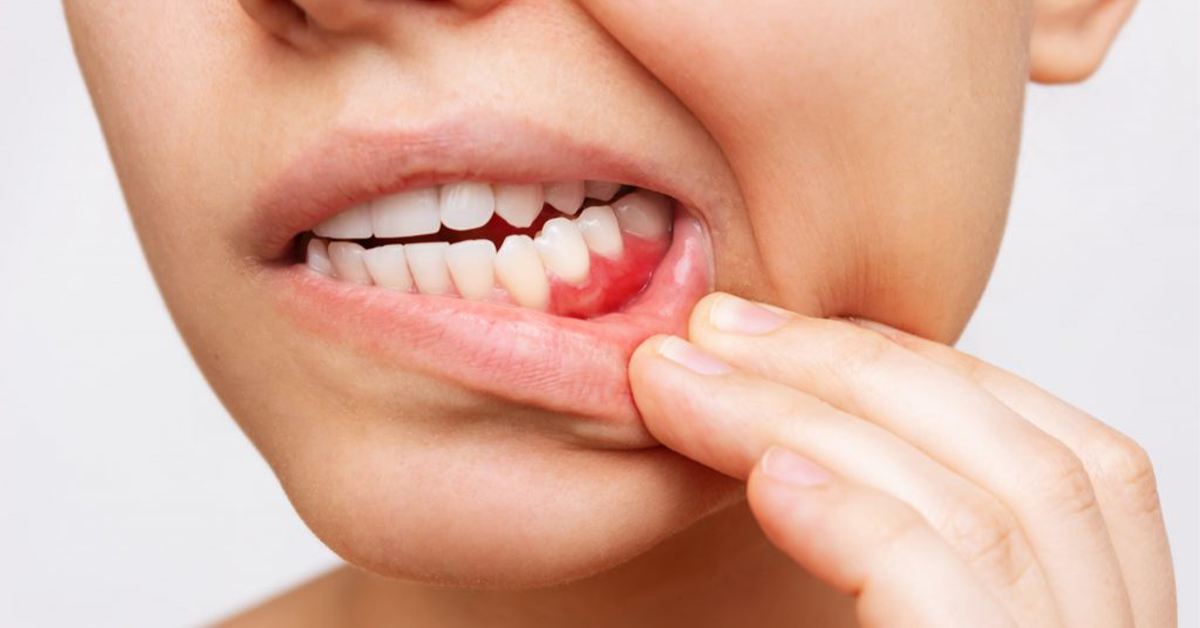
If the gum health needs attention, then you will notice the following signs and symptoms:
- Bleeding during brushing is not normal. Ongoing bleeding signals gum inflammation, even if your child just started flossing.
- Gum recession happens when gums pull away from teeth, exposing the tooth or root. Receded gums don’t grow back, so early detection matters.
- Color changes are a red flag. Dark red or purple gums suggest inflammation, while white patches may indicate irritation or infection.
Are Yellow Teeth Healthy?
This might be unexpected, but yes! Yellow teeth are often perfectly normal. If the teeth are normal, why do they appear so yellow? Doesn’t that indicate poor oral health?
Natural enamel color variations are normal and genetic. Just like eye color and hair color, tooth color runs in families. Some children naturally have whiter enamel, while others have cream or light yellow enamel. Both are healthy.
Coloration of primary versus permanent teeth causes the most confusion for parents. When permanent teeth first emerge next to baby teeth, the contrast shocks parents. Baby teeth look brilliantly white. Permanent teeth look yellow by comparison. The difference in appearance is due to the concentration of dentin (layer under tooth enamel), which is higher in permanent teeth compared to baby teeth.
Once your child develops permanent teeth, and they appear slightly yellow, you should know that they are perfectly normal and are built differently than their baby teeth.
But are yellow teeth always healthy?
No, it is not always normal to have yellow teeth. Yellow teeth signal a problem when:
- Dark yellow or brown spots, especially along the gum line or in grooves. It points to tooth decay.
- Gray or brown bands across teeth may indicate possible medication effects or developmental issues that you need to get evaluated by a skilled pediatric dentist.
- Sudden color changes in a specific tooth indicate possible internal damage or underlying infection.
- White chalky spots can either mean early decay or fluorosis.
If you notice any of these signs, please visit Next Level Pediatric Dentistry for a comprehensive dental exam in context with your child's age, diet, oral hygiene, and overall dental health.
Daily Oral Care Habits That Protect Growing Smiles
Growing smiles require personalized care plans and adult supervision. We treat each age group differently to encourage them to adopt healthy habits. Simple routines done every day prevent more problems than occasional, complex care.
Best Oral Care Practices For Infants (0–12 months)
- Clean gums with a damp washcloth after feedings
- Start brushing when the first tooth appears
- Use a soft infant toothbrush
- Apply a rice-grain smear of fluoride toothpaste
- Brush twice daily
- Wait for a while to put your baby to bed with milk, formula, or juice
Suitable Daily Oral Hygiene Habits For Toddlers (1–3 years)
- Make brushing fun with songs, toys, or characters
- Let your child practice, but do the brushing yourself
- Brush twice daily with fluoride toothpaste
- Use a pea-sized amount starting at age three
- Teach spitting, not swallowing toothpaste
How To Maintain Oral Health Of School-Age Children (4–12 years)
- Supervise brushing until at least age eight
- Brush for two full minutes
- Use gentle circular motions at a 45° angle to the gums
- Clean all surfaces and the tongue
- Introduce flossing around age six
- Use floss picks for easier handling
Oral Hygiene Habits In Teens (13+ years)
- Encourage independence without constant reminders
- Keep oral care tools visible and accessible
- Address braces, aligners, and retainers daily
- Use electric or orthodontic toothbrushes
- Reinforce habits during dental visits
When to Watch and When to Worry About Your Child’s Oral Health
Some things you can safely keep an eye on at home. Others need professional attention. Here's how to know.
Watch For These Signs at Home
You can monitor these situations as long as your child feels fine:
- Slightly yellow teeth with no pain or sensitivity
- Usual teething grumpiness that gets better with teething toys
- A loose baby tooth that's about to fall out
- Gaps between baby teeth
These Issues Need a Dentist’s Intervention
Make an appointment if you notice:
- White, brown, or black spots on any tooth
- Bad breath that better brushing doesn't fix
- Gums that bleed when brushing
- Red or swollen gums
- Any tooth pain or sensitivity to hot, cold, or sweets
- Trouble chewing food
- A tooth that got knocked out or chipped
- Teeth coming in way later than expected
Why Choose Next Level Pediatric Dentistry in Tarrytown
You should choose us because of how we help you achieve healthier gums and teeth. When you bring your child to us, prevention comes first. We track their dental growth, apply protective treatments, and spot problems when they're still easy to fix.
1. Fluoride Varnish: We often apply fluoride varnish during regular checkups. This concentrated fluoride treatment strengthens enamel and provides extra cavity protection. It takes just seconds and is entirely safe.
2. Dental Fillings and Sealants: For school-age kids, we recommend fillings and sealants on permanent molars. Molars have deep grooves that trap food and bacteria. Sealants are thin coatings that seal those grooves and dramatically cut cavity risk.
3. Custom Sports Mouthguards: If your child plays football, hockey, basketball, or any contact sport, a custom mouthguard protects their teeth, lips, and jaw. Custom guards fit better and protect better than store-bought ones. They're also more comfortable, so your child actually wears them.
4. Teaching at Every Visit: We examine teeth and gums at each visit. We also show your child the right way to brush and floss. We explain why healthy teeth and gums matter using words and examples that make sense for their age.
How To Achieve Healthier Gums And Teeth?
By Visiting Next Level Pediatric Dentistry in Tarrytown, NC. We Help Kids and Parents With Healthier habits for healthier teeth, which result in healthier smiles!
Let’s work together as a team to support your child’s oral health. You should immediately bring your kid with you to Next Level Pediatric Dentistry for a thorough dental exam to prevent cavities, infections, and long-term dental health concerns. If you notice small changes in color, sensitivity, or gum health, it often signals early problems, and fixing them right away is mandatory to prevent the issues from impacting young smiles. Your kids’ healthy teeth are just a visit away!
Frequently Asked Questions
What is the appropriate age for my child’s first dental visit?
Are yellow teeth healthy in children?
What toothpaste should my child use?
How do I know if my child’s gums are healthy?
Do cavities in baby teeth cause any problems?
What foods help keep kids’ teeth healthy?
How to keep teeth healthy if my child consumes a lot of chocolates?