Is Charcoal Good for Your Teeth? What Parents Should Know
If you’ve seen charcoal toothpaste, mouthwash, or DIY charcoal paste trending online, you may be wondering: is charcoal good for your teeth?
While activated charcoal has become popular for whitening, it’s important to understand how it can affect your child’s oral health before adding it to their routine.
At Next Level Pediatric Dentistry in Tarrytown, NY, we regularly talk with parents about charcoal products, how they work, and whether they’re appropriate for kids.
What Is Activated Charcoal for Teeth?
Activated charcoal is a fine black powder made from materials like coconut shells or wood that are heated to create a porous surface, allowing it to bind to certain substances. This is why it’s used in many health and beauty products.
In dental products, it’s marketed as a way to remove stains and brighten your smile. You may see it sold as charcoal toothpaste, mouthwash, rinse, or paste. While these products are widely available, they’re not always the best choice, especially for children.
Is Charcoal Actually Good for Your Teeth?
This is one of the most common questions we hear from parents, and the short answer is no, it is not always recommended, especially for children.
While charcoal may help remove surface stains, it is also abrasive, meaning it can wear down enamel over time. Enamel is the protective outer layer of the tooth, and once it is lost, it does not grow back. For children, whose teeth are still developing, protecting enamel is especially important.
Why Charcoal Products May Not Be Ideal for Kids
Although products like charcoal mouthwash or charcoal-based pastes are marketed as natural they can pose risks, especially for younger patients.
Some concerns include:
● Increased tooth sensitivity from enamel wear
● Limited fluoride, which is essential for cavity prevention
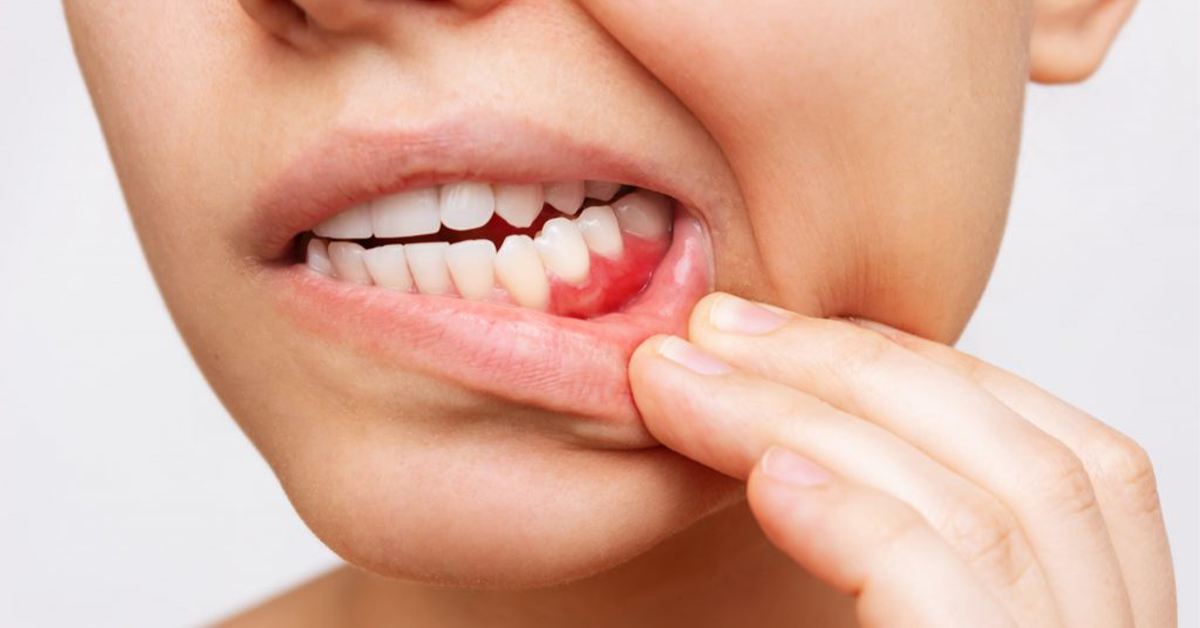
● Irritation to gums and soft tissue
● Messy application that can be difficult for kids to use properly
Because of these factors, most pediatric dentists do not recommend activated charcoal for teeth as part of a child’s daily routine.
Do Charcoal Mouthwash and Rinses Work?
Charcoal mouth rinse and activated charcoal mouthwash are often marketed as gentler alternatives to charcoal toothpaste. However, they do not provide the same cavity protection as fluoride-based rinses, may not whiten teeth effectively over time, and can still contribute to enamel wear.
If your goal is to support your child's oral health, preventive dentistry offers safer and more effective options.
Safer Alternatives for Healthy, Bright Smiles
Instead of relying on charcoal for the teeth, we recommend focusing on proven, kid-safe habits and treatments.
These include:
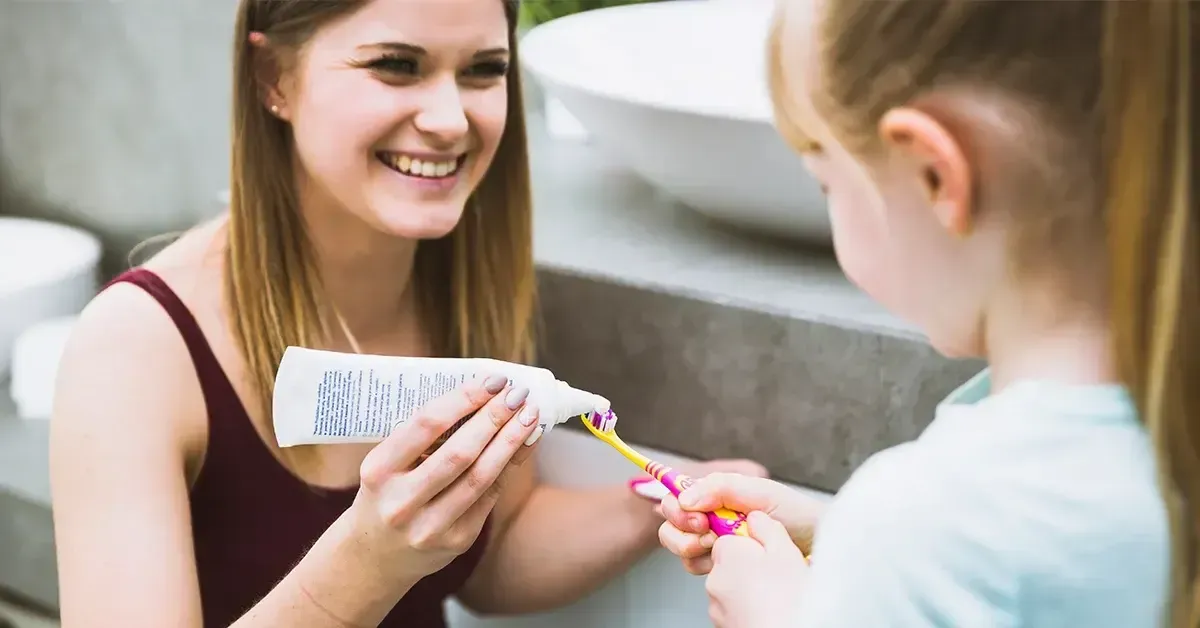
● Regular brushing with fluoride toothpaste
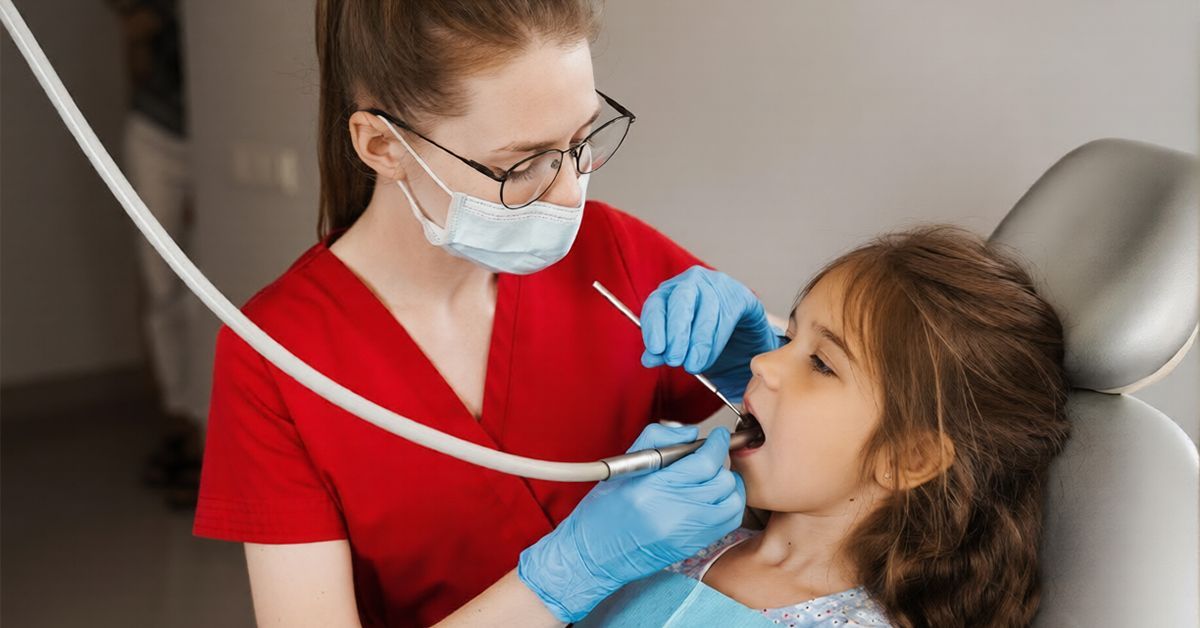
● Professional dental cleanings
● Preventive care like fluoride treatments
● Routine checkups with a pediatric dentist
For children who may benefit from additional protection, dental sealants can help prevent cavities and keep teeth strong.
When to Talk to Your Pediatric Dentist
If your child is already using charcoal products or you’re considering trying them, it’s a good idea to check with a dentist first.
We recommend scheduling a visit if your child is experiencing sensitivity, if you’re unsure which products are safe, if you’re considering whitening options for older children, or if you need guidance on building a strong oral care routine.
Next Steps for Your Child’s Oral Health
Whether charcoal is right for your child depends on their age, dental needs, and overall oral health. In most cases, dentist-recommended alternatives are the safest choice.
Next Level Pediatric Dentistry proudly serves families in Tarrytown and surrounding communities with gentle, child-focused care designed to support healthy smiles at every stage.
Have questions about your child’s dental routine? Our team is here to help. Schedule an appointment today by booking online or calling 914-327-2091.