Importance Of Fluoride for Kids: Age-Specific Guidelines For Parents
Parents get a lot of conflicting information about fluoride, but why is fluoride treatment so important for developing teeth and gums?
That significance is actually the most important thing to understand about fluoride for kids. It is not one thing, or just a treatment. The right form, the right amount, and the right source depend on whether your child's teeth have come in yet, how old they are, and what their individual cavity risk looks like. Getting that wrong in either direction, too little or too much, has real consequences to their oral health.
If you want a specific answer for your child, Next Level Pediatric Dentistry offers individualized assessments at every checkup.
Why "It Strengthens Enamel" Is Only Half the Answer?
Have you also heard that it is essential for strengthening tooth enamel? And how does fluoride prevent dental caries? This is where most explanations on the internet stop: enamel strengthening and cavity prevention. Is that it?
The most important consideration in this process is how fluoride prevents dental caries, and the answer to that depends on which stage of your child's development you are talking about, because it works through two entirely different processes.
Before Teeth Come In
While a tooth is still forming under the gum, the fluoride your child swallows from fluoridated water becomes incorporated into the developing tooth structure. The resulting enamel is harder and more resistant to acid than it would otherwise be. This happens once, during the formation window, and then that's it. Once a tooth has broken through the gum, swallowing more fluoride does nothing for that tooth. The window is closed.
This is worth knowing because it reframes what fluoridated water actually does: its biggest benefit is for the teeth your child has not grown yet.
After Teeth Come In
Once a tooth is in the mouth, a different process takes over. Every time your child eats sugar, the bacteria on their teeth produce acid. That acid pulls minerals out of enamel. Given enough time and frequency, that mineral loss turns into a cavity.
Fluoride applied directly to teeth, whether through toothpaste or a professional treatment, works in two ways here. It slows the bacteria's acid output, and it helps enamel pull minerals back in before the damage becomes permanent. This is the mechanism behind every tube of fluoride toothpaste for kids and every in-office application. Contact with the tooth surface is what delivers the benefit. Swallowing it does not.
See how preventive care builds fluoride into your child's checkup routine.
What the Right Fluoride Approach Looks Like at Each Age?
There is no single fluoride recommendation that applies to every child at every age. The AAPD and AAP publish age-specific guidelines for a reason, and following the wrong one is a real and common mistake.
Birth to 6 Months
No fluoride supplements are recommended at this stage. Breastfed babies and infants receiving formula mixed with fluoridated tap water receive background fluoride through their diet, which is sufficient. Supplementing beyond that for more than six months has not been shown to provide benefit and increases the risk of fluorosis.
6 Months to 3 Years
As soon as your child’s first tooth appears, fluoride toothpaste for kids becomes appropriate. The AAPD recommends a smear roughly the size of a single grain of rice, twice a day. That amount is deliberately small to keep incidental swallowing within safe limits, as children this age cannot spit reliably.
Whether fluoride drops make sense during this window depends on your water supply. The CDC publishes a county-level map of community water fluoride levels. Children in areas with fluoridated tap water at or above the recommended level generally do not need drops. Children on well water may. Talk to your pediatric dentist before adding anything.
3 to 6 Years
The toothpaste amount increases to a pea-sized portion at age three, twice daily. Children this age have better control over swallowing, and the increased amount stays within safe limits. This is also when professional fluoride treatment typically becomes part of the biannual checkup for children with any elevated cavity risk, including a high-sugar diet, a history of early cavities, or signs of early enamel loss spotted at prior visits.
6 Years and Older
Permanent teeth are coming in. Protecting them from the start matters considerably, because unlike baby teeth, there is no second chance. A Cochrane systematic review suggested that fluoride varnish applied two to four times per year reduced cavities in permanent teeth compared to no treatment, and specifically in baby teeth. A two-minute in-office application is a meaningful outcome for kids’ oral health.
How Does Your Kids’ Appointment For Dental Fluoride Treatment Look Like?
Fluoride varnish is the standard non-invasive procedure in pediatric dentistry, and it is nothing like the foam trays some adults remember from their childhood checkups.
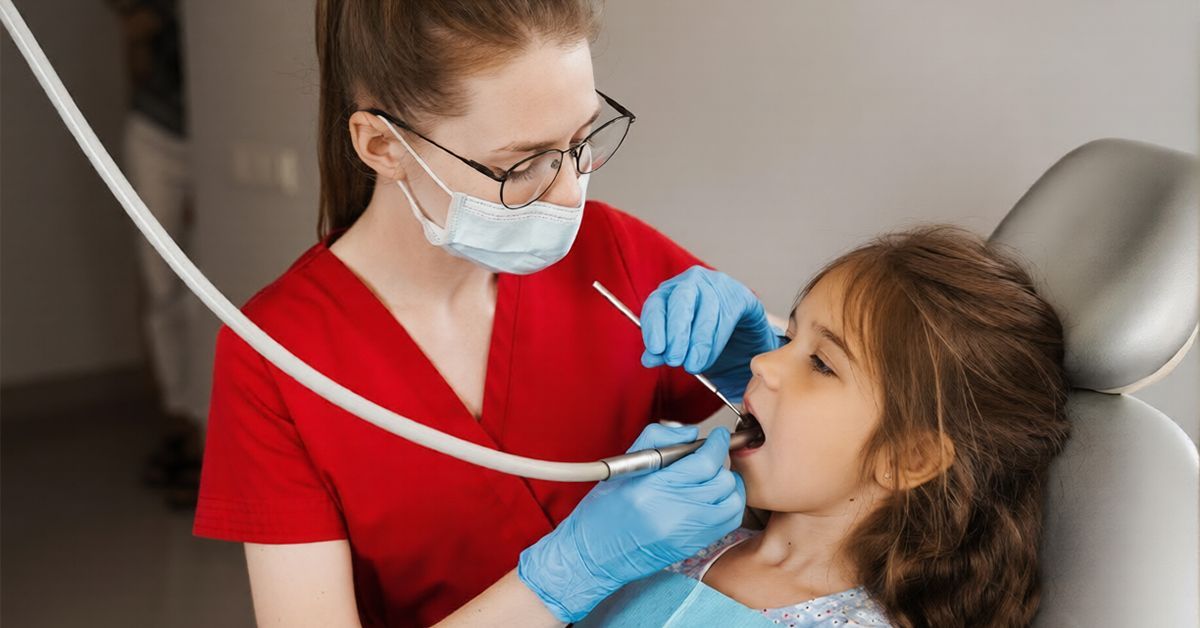
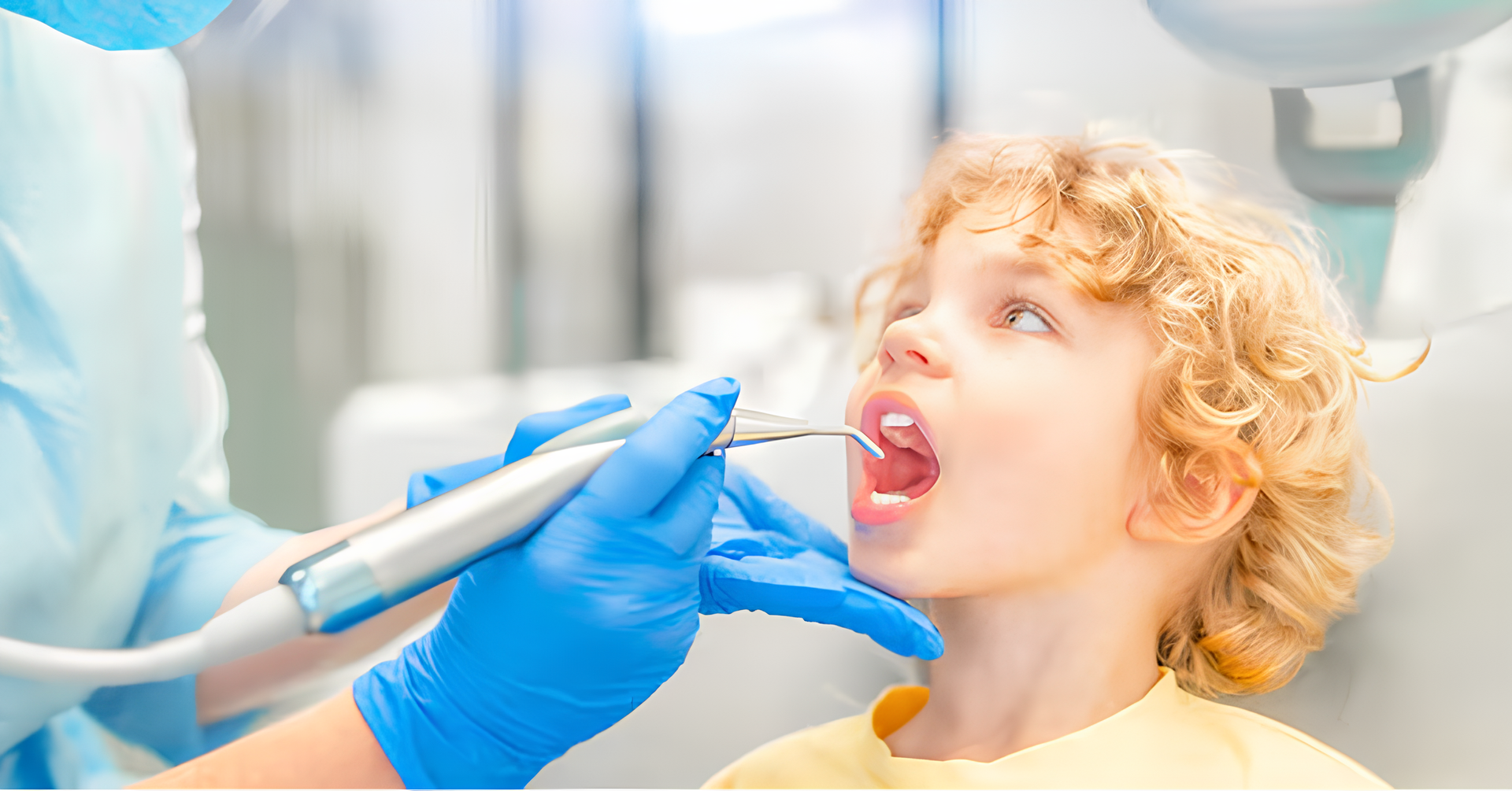
A small amount of varnish, which contains a much higher fluoride concentration than any toothpaste, is painted directly onto the tooth surfaces with a small brush. It sticks on contact and slowly releases fluoride over several hours as saliva dissolves it. No tray, no sitting still with something in your mouth, no gagging. The whole application takes about two minutes, which matters considerably when the patient is four years old.
After the appointment, the child should eat soft foods, avoid hot drinks for the rest of the day, and skip brushing until the following morning. This gives the varnish enough time to work before it gets wiped off.
Older children who can comfortably hold a tray in place may receive gel or foam fluoride instead. The mechanism is the same, the sitting time is longer, and neither form has a clear evidence advantage over varnish. Varnish is standard for younger patients primarily because it is faster to apply and easier to manage.
Three Fluoride Toothpaste Mistakes That Are More Common Than They Should Be
Fluoride toothpaste for kids is the most consistent source of fluoride your child will ever have, and it is available to every family. It is also used in ways that significantly reduce its effectiveness.
1. Using Less Than the Recommended Amount Before Age 3
The grain-of-rice amount the AAPD recommends for children under three is already calibrated to address swallowing concerns. Parents who go below it reduce tooth contact without meaningfully reducing fluoride exposure. The goal is to use the right amount, not the minimum possible.
2. Rinsing With Water Right After Brushing
This one surprises most parents. Rinsing vigorously with water immediately after brushing removes fluoride from the tooth surface before it can do anything. Spitting out the toothpaste and skipping the rinse, or keeping it very minimal, is the correct technique. It feels odd at first, but the difference in effectiveness is real.
3. Switching to Fluoride-Free Toothpaste
If a child can reliably spit, there is no clinical basis for this switch. Fluoride-free toothpaste does not rebuild weakened enamel and does not slow the growth of the bacteria that cause cavities. The AAPD, AAP, and American Dental Association all recommend fluoride toothpaste starting with the first tooth. The concern driving this choice is understandable, but a child who can spit is not the child the caution was written for.
On Fluorosis: What It Actually Is and Why the Numbers Matter
Fluorosis is the only legitimate risk associated with fluoride, and it is worth understanding clearly rather than dismissing it or being frightened by it.
It occurs when a child ingests too much fluoride while their permanent teeth are still developing under the gum. The result is a change in the appearance of the enamel, typically faint white marks or lacy patches on the tooth surface. In the vast majority of cases, it is cosmetically mild and structurally harmless. The teeth are not weaker. They do not decay faster. They just look slightly different, and often only a dentist would notice.
Severe fluorosis, which involves brown staining or pitting, is rare. It is associated with prolonged ingestion of fluoride at levels well above anything a child would encounter through normal toothpaste use or fluoridated water.
The grain-of-rice amount of toothpaste for children under three exists specifically because the front permanent teeth are developing during those early years, when the risk of fluorosis is highest. After age three, most permanent enamel is further along in formation, and the risk drops.
The caries-prevention data supporting appropriate fluoride use for kids are considerably stronger than the cosmetic risk posed by mild fluorosis. That is not a contested point in the clinical literature.
Does Every Child Need the Same Fluoride Plan?
Not at all, because if a child who never had a cavity beforehand doesn’t need the same frequency of fluoride treatments as one who is at a comparatively higher risk of cavities.
A child who has never had a cavity, drinks fluoridated water, brushes twice daily with fluoride toothpaste for kids, and eats a reasonably balanced diet is at low risk. Twice-yearly varnish at routine checkups is likely sufficient.
A child with any of the following needs a more active approach: visible white spots on teeth at prior exams, a history of cavities in baby teeth, frequent consumption of sugary or acidic drinks, dry mouth from medications or habitual mouth breathing, or no access to fluoridated water at home.
For higher-risk children, fluoride treatment four times per year rather than two is standard. In some cases, a prescription-strength fluoride toothpaste is appropriate for home use. Where active early decay is already present, Silver Diamine Fluoride can halt its progression without drilling.
Fluoride for Kids by Age: At a Glance
| Age | Toothpaste | Professional Varnish | Water Supplement |
|---|---|---|---|
| Birth to 6 months | None | Not applicable | Only if on unfluoridated well water, and the clinician recommends |
| 6 months to 3 years | A grain of rice, twice daily | Consider if cavity risk is present | Discuss with the dentist based on the local water supply |
| 3 to 6 years | Pea-sized, twice daily | 2 to 4 times per year based on risk | Generally not needed if water is fluoridated |
| 6 years and older | Pea-sized, twice daily | 2 to 4 times per year based on risk | Not recommended |
Your Child's Fluoride Routine Deserves a Real Assessment!
Most families are either doing too little or second-guessing themselves into doing the wrong thing entirely. Fluoride for kids works when it is matched to the child's actual age, actual risk level, and actual water supply. A generic approach often misses at least one of those.
At Next Level Pediatric Dentistry, every preventive care plan is built around what your child specifically needs, not a default protocol. Dental fluoride treatment, when part of that plan, is quick, painless, and scheduled at the frequency the clinical picture calls for.
Frequently Asked Questions
When should fluoride for kids start?
As early as their first tooth appears, per the AAPD guidelines, visit Next Level Pediatric Dentistry office today for your child’s first appointment for fluoride treatment.
How does fluoride prevent dental caries in baby teeth?
At the chemical level, this slows the acid production by cavity-causing bacteria, which helps with enamel recovery. Consistent application reduces the rate at which enamel breaks down into a full cavity.
Is it important to get my child an appointment for a professional dental fluoride treatment if we use toothpaste at home?
For low-risk children, toothpaste alone may be enough. For children with a history of cavities, visible early enamel changes, or a high-sugar diet, professional fluoride treatment provides protection that home toothpaste concentrations cannot match.
Is fluoride actually safe for children?
It is absolutely safe at recommended amounts. The only thing for parents and dentists to watch is excessive ingestion during the early stages of tooth development, because that might lead to fluorosis, a cosmetic change in the appearance of teeth, not their strength.
How often does my child need fluoride varnish at the dentist?
2 times a year is a good & dentist-recommended routine. If your child is at higher risk for developing cavities or requires a special approach to oral care, then 4 times a year works. We evaluate each kid’s oral health at our practice and then recommend a yearly schedule to parents.